
Special offer for people over the age of 60: Call us today and receive an additional 5% off our “Smile Assurance” reduced prices!


At The Smile Doctor, we understand that your smile is part of what makes you, you, and that it deserves exceptional care at every age. As we get older, the way our teeth and gums respond to daily wear, medications, and health changes can be very different than when we were younger. Our team is experienced in helping adults maintain healthy, comfortable, confident smiles throughout the later stages of life.

Modesto

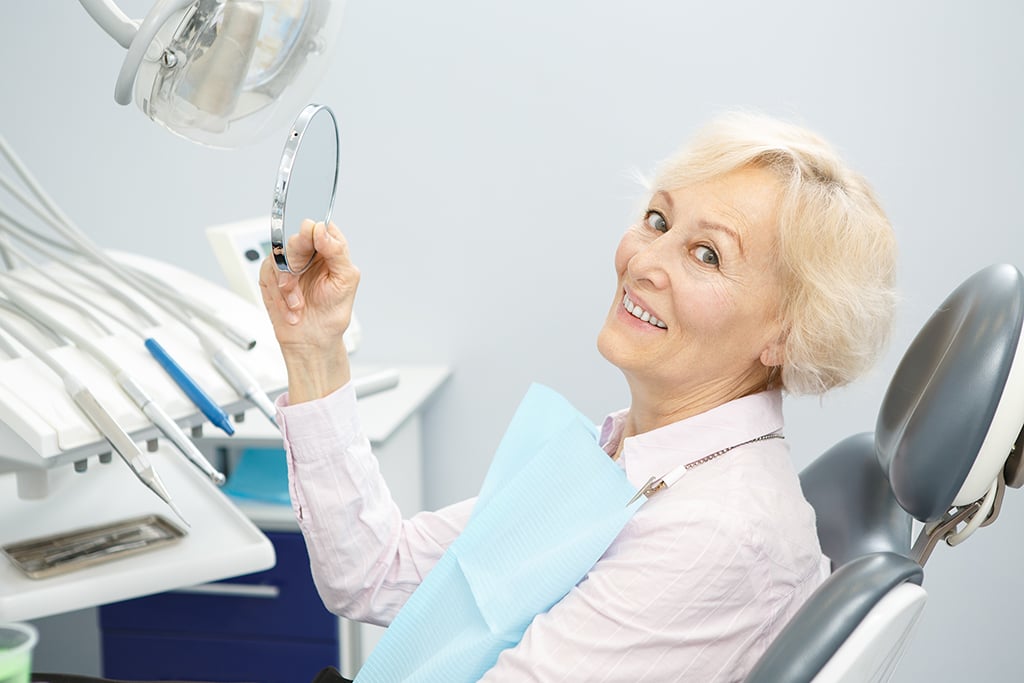
Most seniors benefit from dental checkups and cleanings at least every six months. If you have chronic gum issues, dry mouth, or ongoing dental work like dentures, your dentist may recommend more frequent visits. Regular care helps catch problems early, maintain healthy teeth and gums, and support overall well-being.
Yes. For seniors with missing or uncomfortable teeth, options like quality dentures, denture relines, or implants can improve chewing function, boost nutrition, and increase confidence. A dentist experienced in senior care can tailor solutions that fit comfortably and work well with your lifestyle.
Dentures remain a reliable option for replacing missing teeth. Modern dentures look natural and restore chewing ability. If your dentures become loose or uncomfortable, your dentist can adjust or reline them for a better fit. Some patients may also consider implant-supported dentures for added stability.
Original Medicare typically does not cover routine dental services like cleanings, fillings, or dentures. Some Medicare Advantage plans may include limited dental benefits. It’s important to review your specific plan or talk with your dentist about alternative coverage, senior dental plans, or payment options that fit your budget.
Good daily care makes a big difference. Brush twice daily with a fluoride toothpaste, floss or use interdental tools, and stay hydrated to reduce dry mouth. Using a soft toothbrush or an electric toothbrush can make brushing easier. Regular dental checkups and cleanings help keep your mouth healthy and comfortable.
As we age, changes in our mouths make us more prone to dental issues like dry mouth, root decay, gum disease, and missing teeth. Many seniors take medications that reduce saliva, increasing the risk of decay. Regular dental care helps detect and manage these issues early and keeps your smile comfortable, healthy, and functional throughout your golden years.
Seniors often experience dry mouth due to medications, receding gums that expose roots, and gum disease that can worsen without care. Teeth may darken over time from stains or aging dentin, and missing teeth can affect chewing and overall nutrition. Managing these issues through proper dental visits can preserve comfort and oral health.
Most seniors benefit from dental checkups and cleanings at least every six months. If you have chronic gum issues, dry mouth, or ongoing dental work like dentures, your dentist may recommend more frequent visits. Regular care helps catch problems early, maintain healthy teeth and gums, and support overall well-being.
Yes. For seniors with missing or uncomfortable teeth, options like quality dentures, denture relines, or implants can improve chewing function, boost nutrition, and increase confidence. A dentist experienced in senior care can tailor solutions that fit comfortably and work well with your lifestyle.
Dentures remain a reliable option for replacing missing teeth. Modern dentures look natural and restore chewing ability. If your dentures become loose or uncomfortable, your dentist can adjust or reline them for a better fit. Some patients may also consider implant-supported dentures for added stability.
Original Medicare typically does not cover routine dental services like cleanings, fillings, or dentures. Some Medicare Advantage plans may include limited dental benefits. It’s important to review your specific plan or talk with your dentist about alternative coverage, senior dental plans, or payment options that fit your budget.
Good daily care makes a big difference. Brush twice daily with a fluoride toothpaste, floss or use interdental tools, and stay hydrated to reduce dry mouth. Using a soft toothbrush or an electric toothbrush can make brushing easier. Regular dental checkups and cleanings help keep your mouth healthy and comfortable.